Safety-first inspection and documentation
We start with the condition of structure, electrical, and affected materials, then document what is restorable and what is not so decisions are based on evidence.
Serving Reno, Nevada & surrounding areas
24/7 Emergency Response
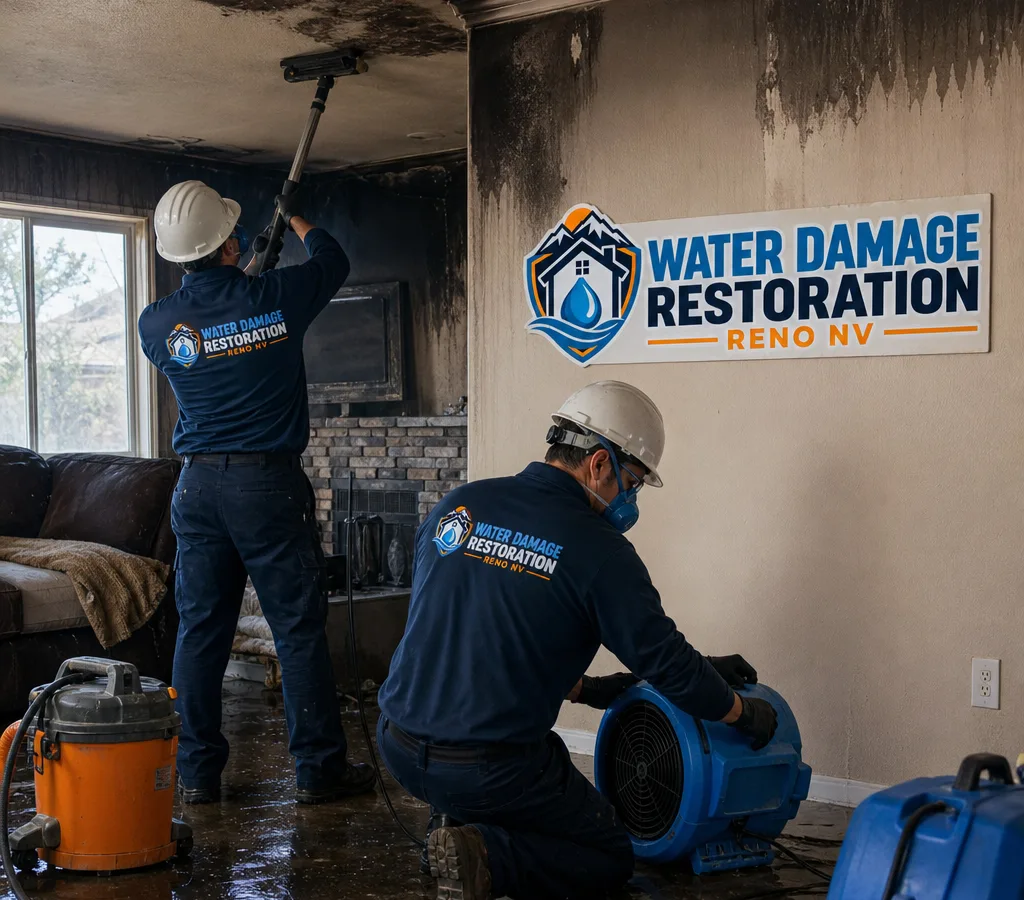
Fire damage restoration in Reno, Nevada
Fire and smoke move fast. Our local crew stabilizes the structure, removes soot and odor, and coordinates repairs so you can get back to normal with a clear plan and a documented scope.
Stabilize, clean, dry and restore
Fire damage restoration in Reno is more than removing what burned. Heat, smoke, and the water used to put the fire out can spread through framing, insulation, drywall, and HVAC paths. Soot is often acidic and can etch finishes, stain porous surfaces, and keep releasing odor if it is not removed and sealed correctly.
A proper restoration plan typically covers:
Our team at Water Damage Restoration Reno NV focuses on documented steps and clear communication. You will know what we found, what we are removing versus restoring, and what the next milestone is before work moves forward.
Containment planned for the property
Reno properties can present a mix of older construction, newer builds, and multi-unit layouts, and each affects containment and cleanup.
Our goal is the same on every job: stop the spread, remove residues at the source, and rebuild only what truly needs rebuilding.
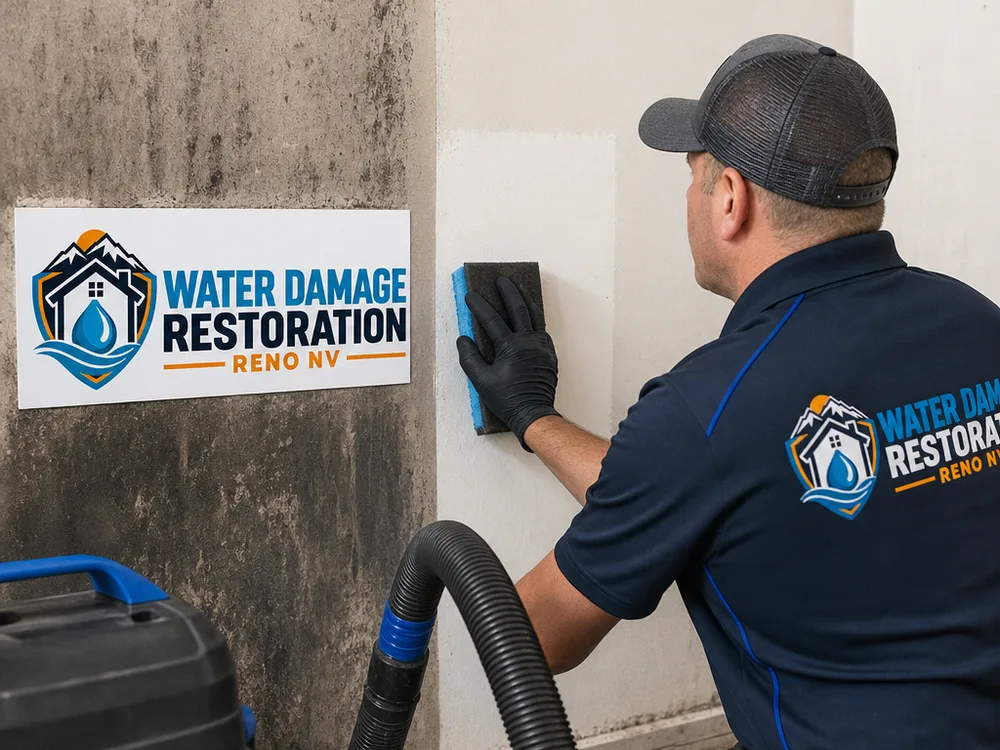
Controlled cleanup and clear decisions
We start with the condition of structure, electrical, and affected materials, then document what is restorable and what is not so decisions are based on evidence.
Poly barriers, filtered air control, and careful workflow reduce cross-contamination, especially when only one room or one floor is affected.
Dry cleaning, wet cleaning, and specialty products are chosen by material. Painted drywall, unfinished wood, brick, and metals do not behave the same after smoke exposure.
We prioritize removing charred and contaminated materials and cleaning residues first, then use deodorization methods appropriate for occupancy and ventilation.
Before rebuild begins, we confirm cleaning and sealing steps are complete so paint, trim, and flooring are not installed over lingering odor sources.
You get a practical sequence of work: what happens now, what needs approvals, and what the home needs to be ready for repairs.
From stabilization through repairs
The right sequence limits further damage, controls soot movement, removes odor sources and prepares the property for a durable rebuild.
Request Emergency ServiceWe assess safety, secure openings, and isolate the affected area. If water from suppression is present, we set drying equipment early to limit secondary damage, drawing on the same water damage restoration process for Reno properties.
We map smoke travel, identify materials that can be cleaned versus removed, and choose methods for each surface type. This becomes the plan for cleanup and repairs.
Selective demolition removes charred drywall, insulation, cabinetry components, or flooring where needed, with dust and soot control during removal and disposal.
We use HEPA vacuuming, dry sponging, and wet cleaning as appropriate, working from ceilings and high surfaces down to avoid re-depositing soot.
After cleaning, deodorization methods may be used for remaining odor. In some cases, we apply stain-blocking and odor-sealing primers on affected framing or drywall.
We complete reconstruction tasks such as drywall, texture, paint, trim, and other finish work included in the scope so the space is functional and presentable again.
Scope determines the investment
Fire damage restoration in Reno typically costs $3,000 to $25,000+, depending on how much of the structure is affected and how far smoke traveled.
| Scope | Where it lands | What it usually involves |
|---|---|---|
| Small, contained incident | Toward the low end | One room affected, soot cleanup and limited repairs |
| Multi-room soot and odor | Toward the mid to upper range | Demolition, odor sealing, HVAC cleaning and rebuild work |
Final pricing depends on debris removal volume, whether drywall and insulation must be removed, HVAC cleaning needs, the level of smoke odor, access such as multi-story or multi-unit buildings, and how much rebuild is required to match finishes. The exact cost is confirmed after an on-site inspection and a written scope.
Customer proof
“After a small kitchen fire, the smoke smell was in every room. The crew explained what could be cleaned, what had to come out, and why. The odor was gone once the cleaning and sealing were finished, and the repairs matched our existing paint and trim.”
Alyssa R.
“They contained the work area so the soot did not spread, kept us updated on what was happening each day, and documented everything for our records. It felt organized instead of chaotic.”
Mark T.
Practical answers before cleanup
Start as soon as the property is cleared for entry and it is safe to do so, because soot can stain and odors can set deeper over time. Early containment and residue removal also reduce the chance that smoke particles spread into HVAC returns, closets, and soft goods while people move around the home.
Smoke odor can usually be eliminated when the source is removed, surfaces are cleaned correctly, and remaining affected materials are sealed when needed. Odor tends to return when charred or soot-contaminated materials remain in place or when deodorization is attempted before cleanup is complete.
It depends on the size of the loss, indoor air conditions, and which rooms are affected. Some small, contained jobs allow partial occupancy with containment in place, but larger soot cleanup, extensive demolition, or heavy odor treatment can make staying put impractical for a period of time.
Porous materials absorb smoke residues and often need removal if they are heavily contaminated or charred. Drywall may be cleaned in light smoke conditions, but penetrated sections are typically replaced; insulation is frequently removed in affected cavities; carpet and padding depend on heat, soot load, and remaining odor.
If smoke traveled through the home, HVAC components can carry odor and fine particulate, so we evaluate return paths, registers, and the air handler area as part of the inspection. The right approach depends on what was affected and whether the system ran during the incident.
We use physical containment with poly barriers and protected pathways, plus filtered negative air when appropriate, then follow a top-down cleaning sequence. That combination keeps fine soot from re-depositing across the property during demolition and cleanup.
Yes, we can provide documentation and a clear scope of work that supports the claim process. Coverage and approvals vary by policy, but a detailed, itemized plan and photos typically make decisions easier for all parties.
Yes, and it changes the order of operations. When suppression water is present, drying and dehumidification start early to protect materials and reduce secondary damage, while soot cleanup and deodorization are staged so moisture does not lock residues deeper into porous surfaces.
We work throughout Reno and nearby communities, including neighborhoods such as Midtown, South Reno, and the North Valleys, with scheduling based on safety needs and scope. Contact us for current service availability.
If you are dealing with smoke, soot, or structural damage, the next helpful step is a site visit to confirm what can be restored, what should be removed, and what repairs will bring the space back to a clean, livable condition.
Request Emergency ServiceFire, smoke and soot recovery
Tell us what happened and what areas are affected. We will inspect the damage, explain the cleanup and repair plan in plain language, and provide a written scope you can use to move forward.