A sampling plan that matches the situation
We choose air, surface, or targeted cavity sampling based on what is actually present, not a one-size checklist.
Serving Reno, Nevada & surrounding areas
24/7 Emergency Response
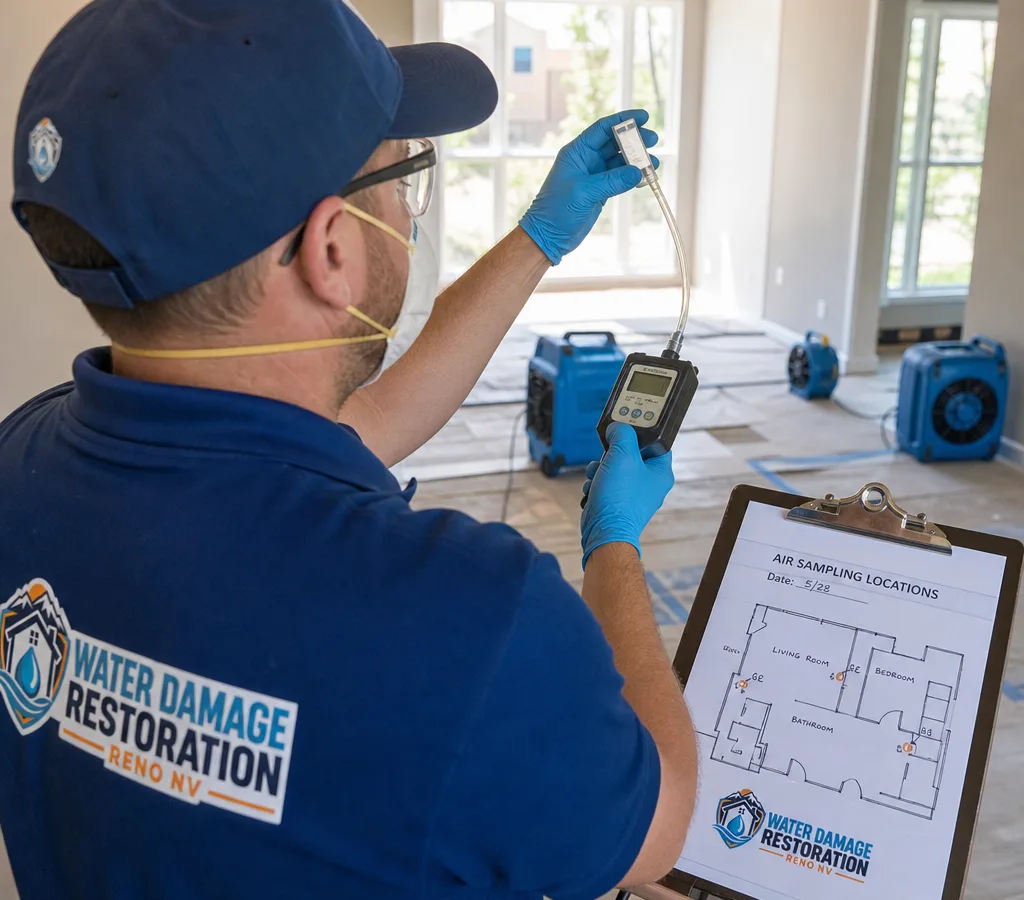
Mold testing in Reno, Nevada
If you smell a musty odor, see staining, or had a recent leak, testing can confirm whether mold is present and where it is coming from. Get clear sampling results, straightforward reporting, and practical next steps for your home or business.
Objective answers before action
Reno mold testing is most useful when you need an objective answer, not a guess. Mold can grow behind drywall, under flooring, inside insulation, or in HVAC components after moisture events, and you often cannot confirm the extent by sight alone.
Consider scheduling testing when:
Our team at Water Damage Restoration Reno NV focuses on practical diagnostics: locate likely moisture pathways, document what is visible, and use sampling when it will actually change the next step. For many properties, the right outcome is a short report that clearly states what was tested, what was found, and what to do next.
Inspection, sampling, documentation
A credible mold inspection ties suspected growth to moisture. Sampling without context can miss the real problem, so we start with a careful walkthrough and build a plan around the conditions on site.
A typical visit includes:
You will get results you can act on. If testing indicates a moisture-driven problem, the next step is correcting the source and addressing affected materials. If results do not support a mold issue, you have documentation to move forward without unnecessary work.
Useful findings, clearly explained
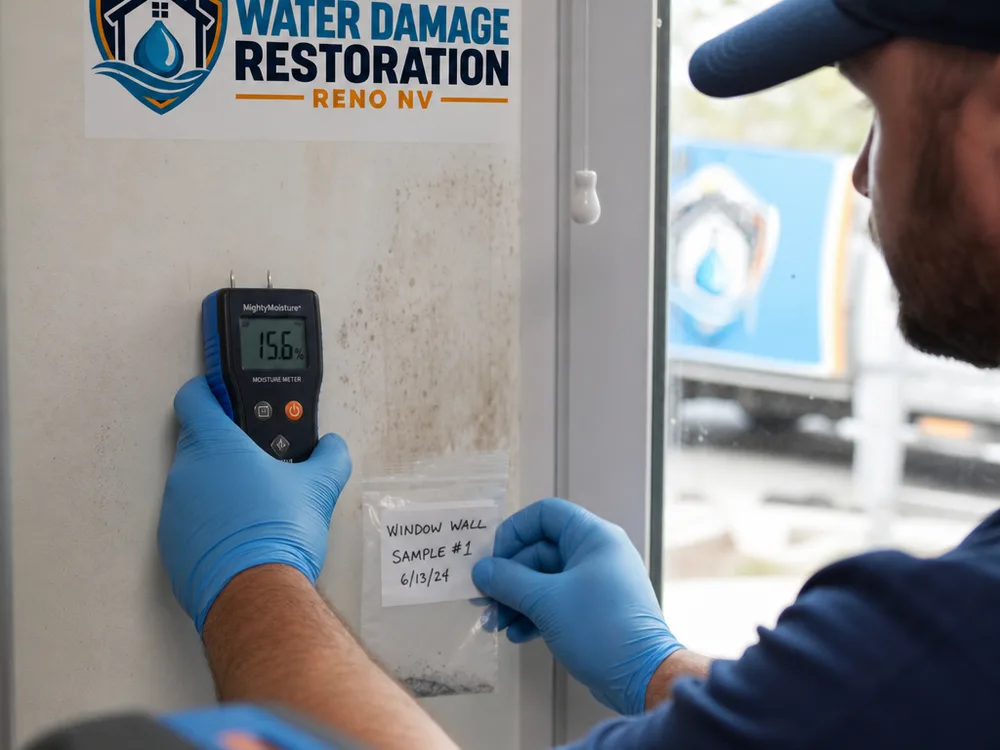
We choose air, surface, or targeted cavity sampling based on what is actually present, not a one-size checklist.
You receive a written record of inspected areas, sample locations, and results with straightforward recommendations.
Mold follows moisture. We look for the conditions that allow growth so the fix addresses the cause, not just the symptom.
Whether you are a homeowner, buyer, seller, landlord, or property manager, the goal is documentation you can use for next steps.
If results show a problem, you will understand what should be removed, what can be cleaned, and what should be dried and verified.
From initial concern to clear guidance
A focused sequence connects inspection conditions to meaningful sampling and practical recommendations.
Request Emergency ServiceTell us what you are seeing or smelling, any recent leaks, and which rooms concern you. We will outline what the visit can cover and what information you will receive afterward.
We inspect the areas of concern, check for likely moisture sources, and document conditions that matter for interpreting results.
If sampling is warranted, we collect the right type and number of samples for the question you need answered, and document locations so results are meaningful.
Samples are submitted for analysis and the report ties results back to the building conditions observed during the visit.
You get clear recommendations for addressing moisture, cleaning or removal, and any follow-up verification that fits your situation.
High-desert moisture patterns
Reno's dry climate can hide moisture problems until they are advanced. If testing points to an active leak, our Reno water damage restoration team covers extraction and structural drying. A slow plumbing leak inside a wall, an intermittently leaking window, or a poorly vented bathroom can keep materials damp even when the air feels dry.
If your concern started after a leak or overflow, it can help to start with the bigger picture of moisture management. Some clients pair testing with a broader conversation about drying and recovery after water incidents so materials can be verified dry before rebuilding.
Moisture can move into garages, basements, or lower wall cavities after exterior drainage issues or roof leaks.
Seasonal use can change indoor humidity patterns, while poorly maintained components can contribute to moisture and odor concerns.
Older homes may have different ventilation and insulation patterns than newer construction, changing where hidden dampness appears.
Plan the inspection scope
Mold testing in Reno typically costs $300 to $900 for most residential situations. Where a job lands in that range depends on how many areas need inspection and how many samples are collected.
| Scope | Where it lands | What it usually involves |
|---|---|---|
| Basic visit, limited sampling | Toward the low end | One area of concern with a small number of air or surface samples |
| Larger home or multiple rooms | Toward the high end | Several suspect rooms, more extensive sampling and fuller reporting |
Your final price depends on access such as attics, crawlspaces, and tight utility areas; the number and type of air or surface samples; and whether documentation needs are more formal for real estate or property management records. Exact cost is confirmed after we review the scope and what you want answered.
Customer proof
“We had a musty smell that kept coming back after a small leak. The inspection explained where the moisture was likely coming from and the report made it easy to decide what to remove and what to dry.”
“The results were written clearly and the sampling locations were documented. That helped us communicate with our contractor and keep the work focused on the areas that actually tested positive.”
Practical answers before testing
If you only need a professional opinion on what is visible and what moisture issue is likely feeding it, an inspection may be enough. Testing is most helpful when you need documented lab results to confirm whether mold is present, compare indoors to outdoors, or decide how far an issue extends beyond what you can see.
Most appointments take 60 to 120 minutes on site, depending on the number of rooms, accessibility, and whether sampling is needed. Complex properties or multiple suspect areas can take longer because moisture checks and documentation matter as much as the samples themselves.
The most common options are air samples, surface samples such as swabs or tape lifts, and in some cases targeted sampling in a specific area of concern. The right choice depends on the question you are trying to answer.
You can often identify suspicious dampness behind walls using moisture readings and inspection clues, but confirming growth inside a hidden cavity may require targeted access. We explain what can be inferred non-invasively and what level of access makes sense before openings are made.
In many cases, yes, because we may ask about symptoms, odor timing, and past leaks while we inspect. If an area is heavily contaminated or disturbed materials are present, we will advise on safe spacing and precautions based on what we observe.
Testing supports the decision, but the cleanup scope is based on inspection findings, moisture conditions, material types, and the extent of damage. Your report should translate results into practical recommendations for moisture correction, removal, cleaning, and dry-condition verification.
Yes. If results indicate mold consistent with a moisture issue, we can help plan next steps so the work addresses both the source and affected materials. We can also outline a typical restoration sequence so remediation and repairs do not work at cross purposes.
Inspection and sampling guidance
Share what you are noticing and where it is happening. We will recommend an inspection and testing approach that fits your property, then provide results and next steps you can act on.